Study
Study Nietzsche
Guided conversations with Nietzsche, grounded in his writings.
Follow the Questions
Begin with a question and follow it, one exchange at a time. Ask your own whenever you like.
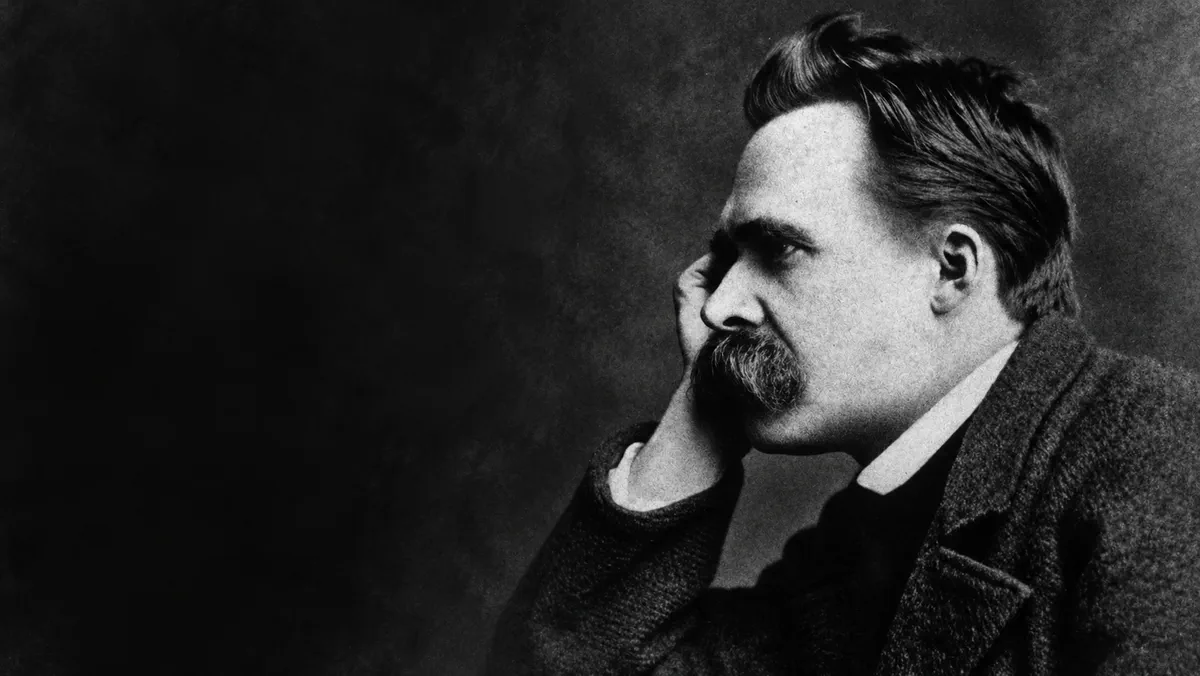
Why Nietzsche?
Why read Nietzsche at all?

Eternal Recurrence
From the demon's whisper to the ring of recurrence.
Deeper study
Scholar investigations
“An inexhaustible well into which no bucket descends without coming up filled with gold and goodness.”
Thirteen further questions for deeper study.

Master and Slave Morality
Master morality, slave morality, and the struggle between them.
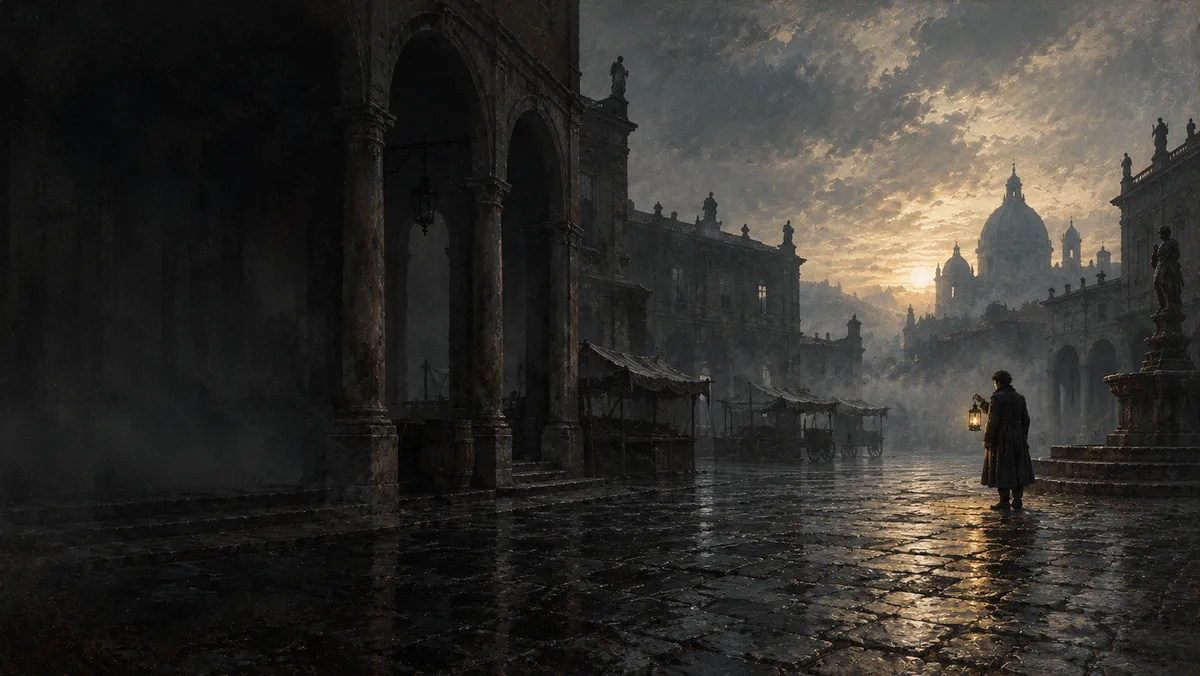
Death of God
From the madman's lantern to the open sea.

Übermensch
From the marketplace to the blissful islands.

Amor Fati
From a New Year's wish to a formula for greatness.
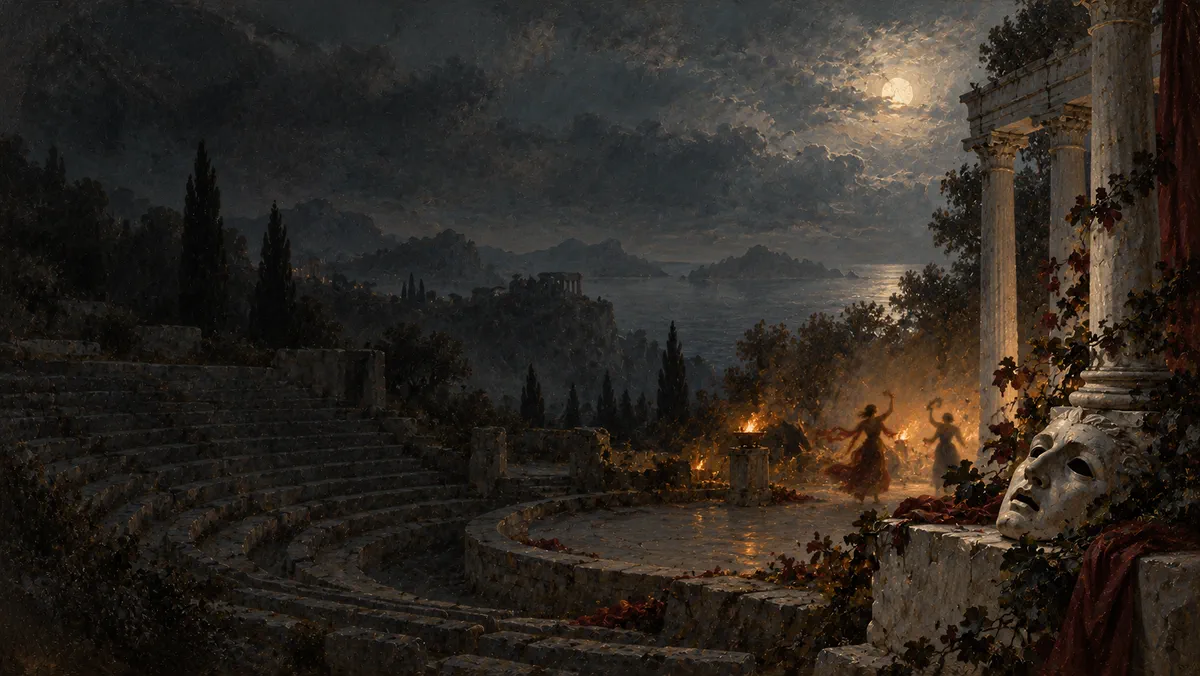
The Apollonian and the Dionysian
From Apollo's dream to the temple of both gods.
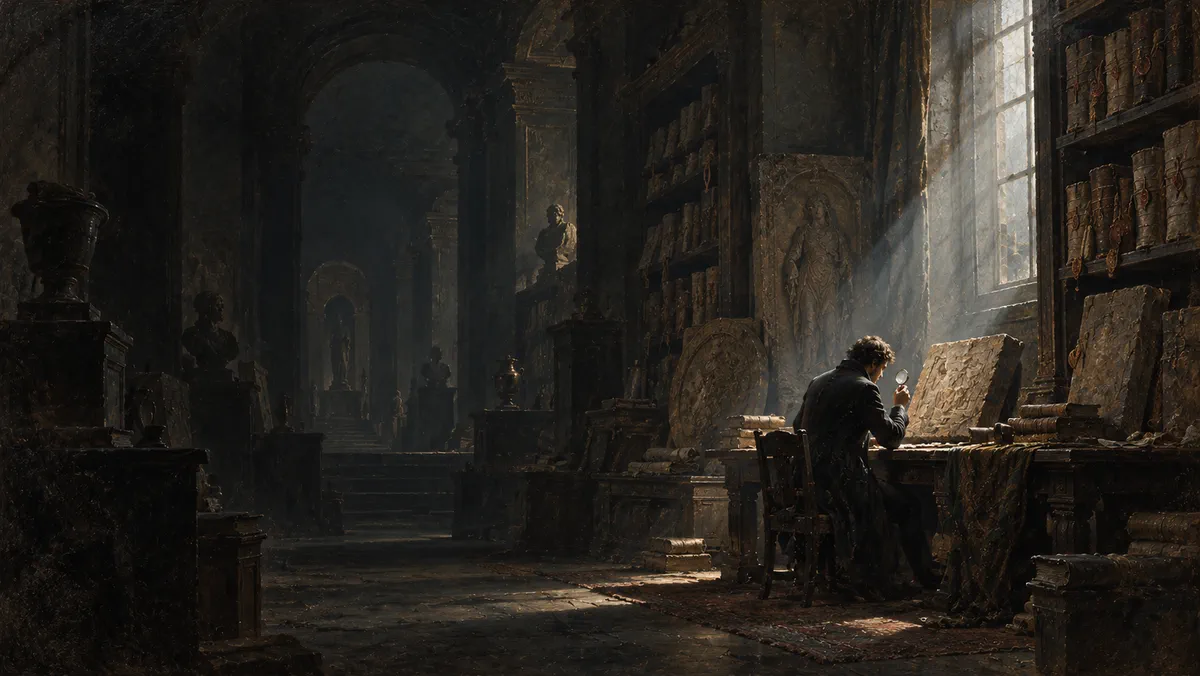
Critique of Morality
From a boy's question about evil to learning to feel anew.

The Will to Power
Why life seeks more than survival—and what power demands.

Guilt and the Bad Conscience
How a debt became a sin—and cruelty learned to turn inward.
Truth and Perspective
Why the will to truth needs a critique—and what knowing becomes without a view from nowhere.

Revaluation of All Values
How values are made, how they betray the life behind them—and who dares to make new ones.
Ressentiment
How the wish for revenge learned to call itself goodness, justice and blessedness.
Self-Overcoming
Why becoming yourself means mastering drives you did not choose—and a self you cannot yet know.
Nihilism
From the uncanniest guest at the door to the will that would rather will nothingness.
Comparative Reading
Philosopher Investigations
“The individual philosophical concepts … belong to a system just as much as all the members of the fauna of a continent do …”
Nietzsche read beside the thinkers he argued with, through the original texts.
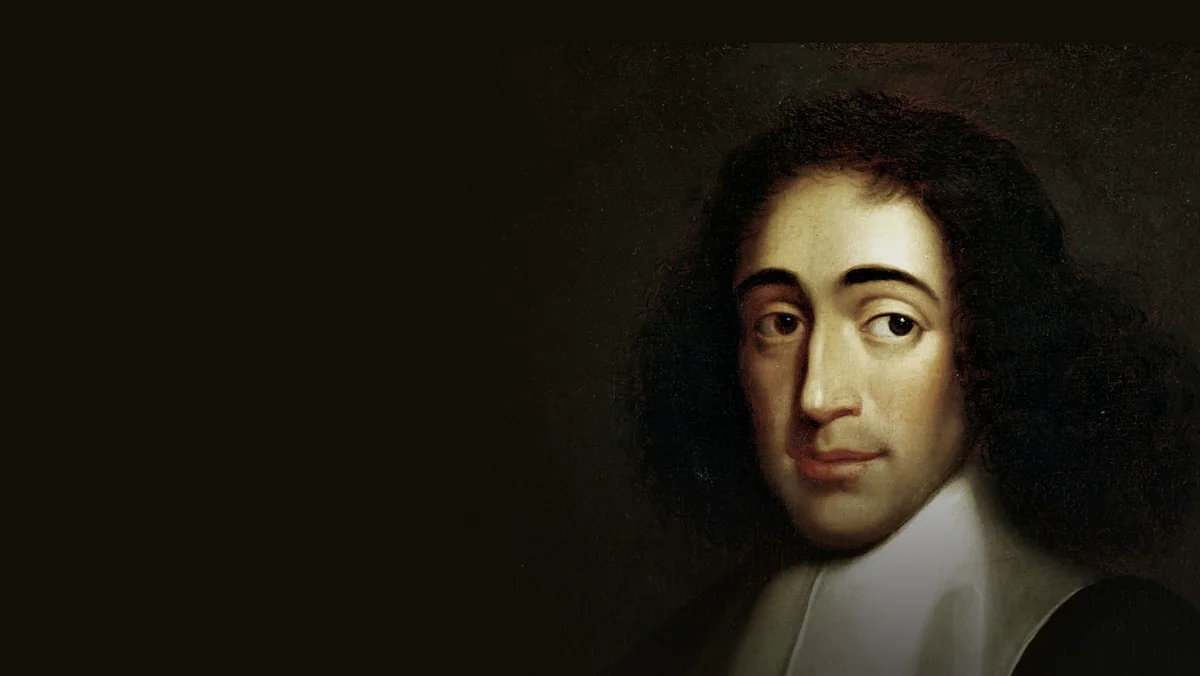
Spinoza
You found a kindred spirit in Spinoza — where did your kinship end?
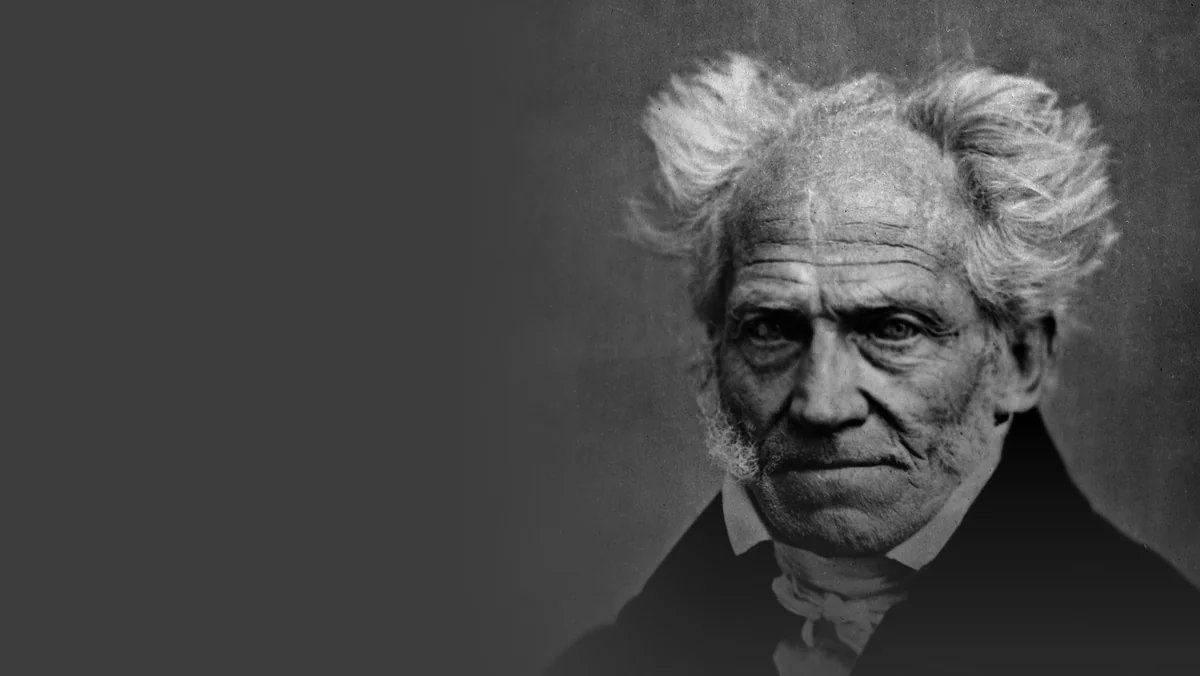
Schopenhauer
Schopenhauer taught you to confront suffering — why did you choose affirmation over resignation?

Socrates
You attacked Socrates' faith in reason — what did you nevertheless admire in him?

Epicurus
You admired Epicurus's tranquility — was it enough for your affirmation of life?
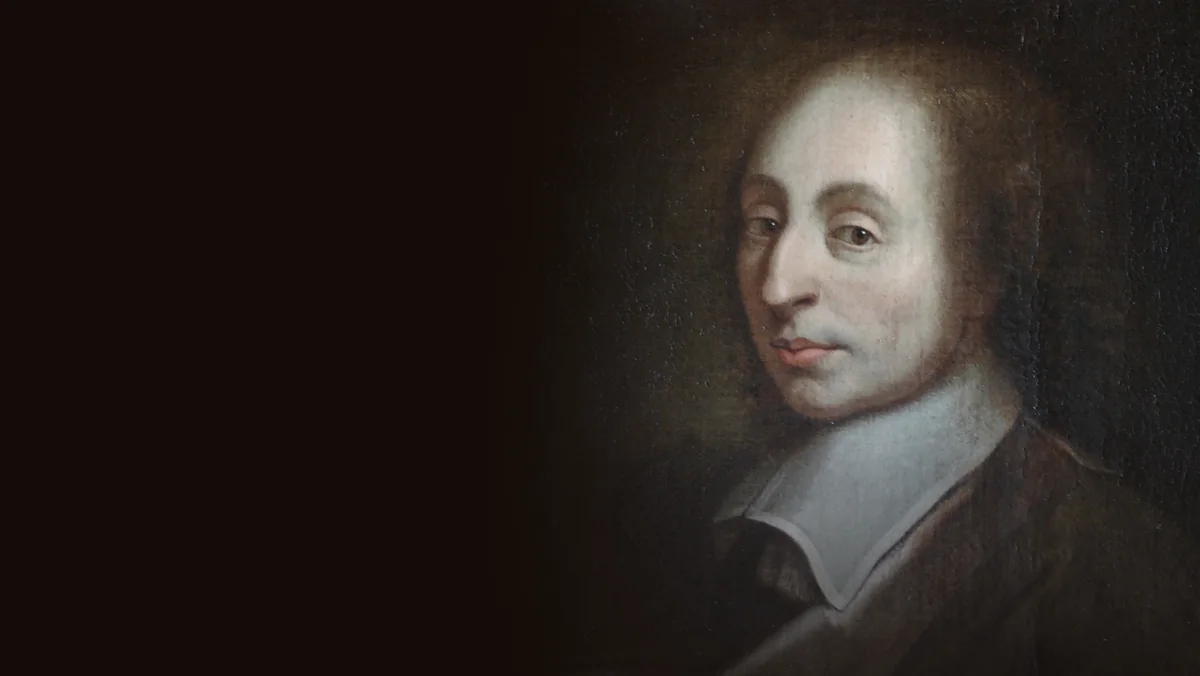
Pascal
Pascal found his answer to the abyss in God — why did you reject it?
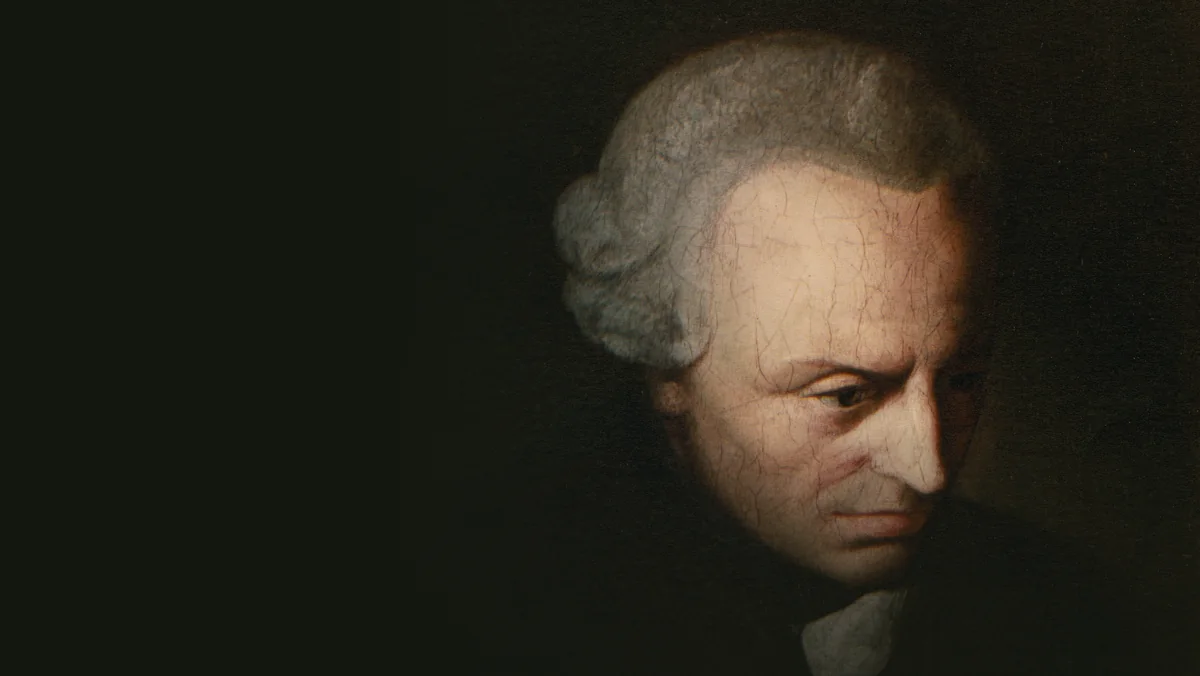
Kant
Kant sought a universal moral law — why did you question the need for one?
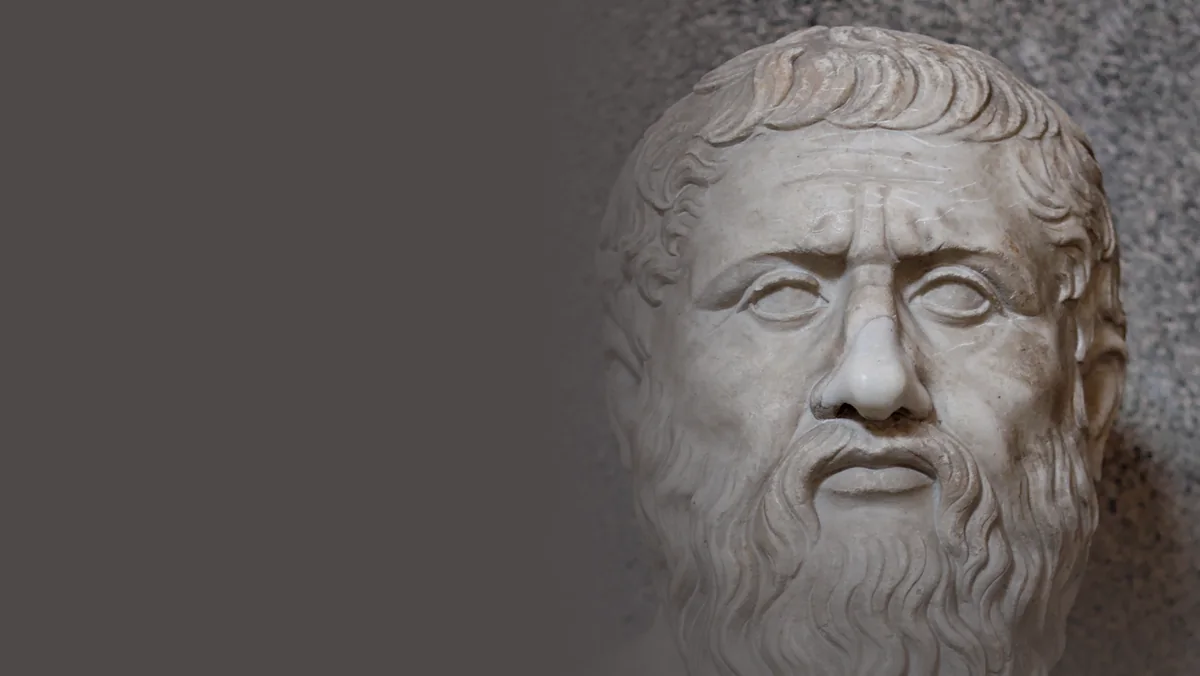
Plato
Plato placed truth beyond appearances — why did you defend the world of becoming?
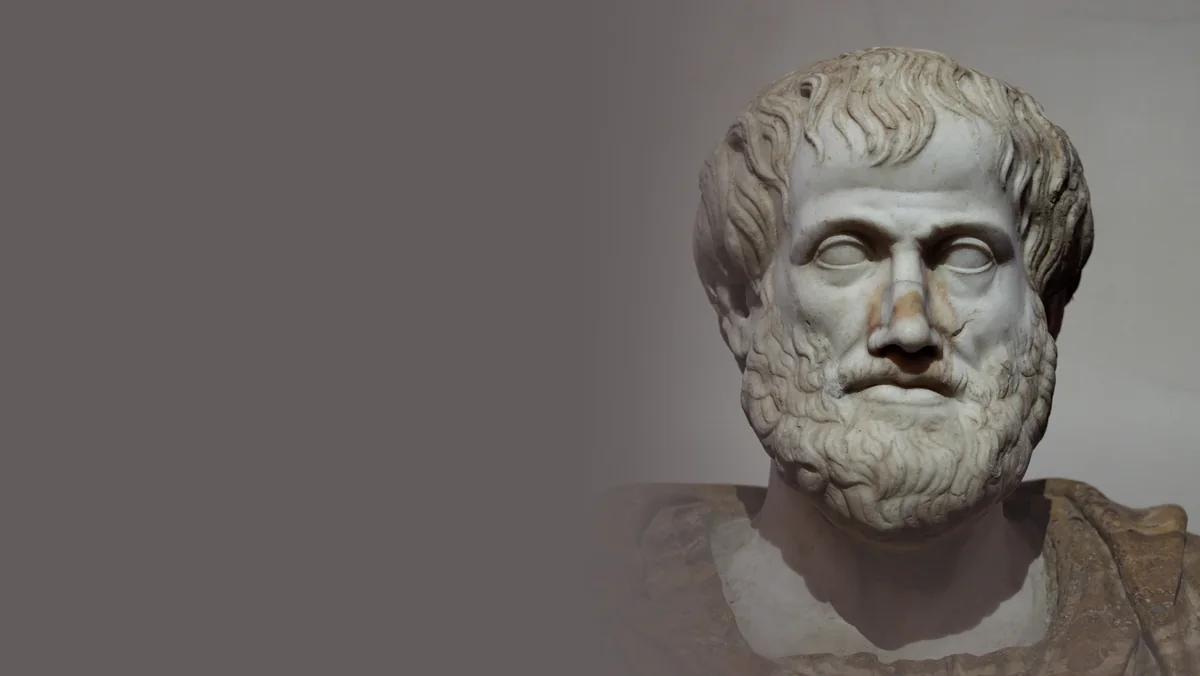
Aristotle
Aristotle made virtue central to flourishing — what, for you, makes a life worth affirming?
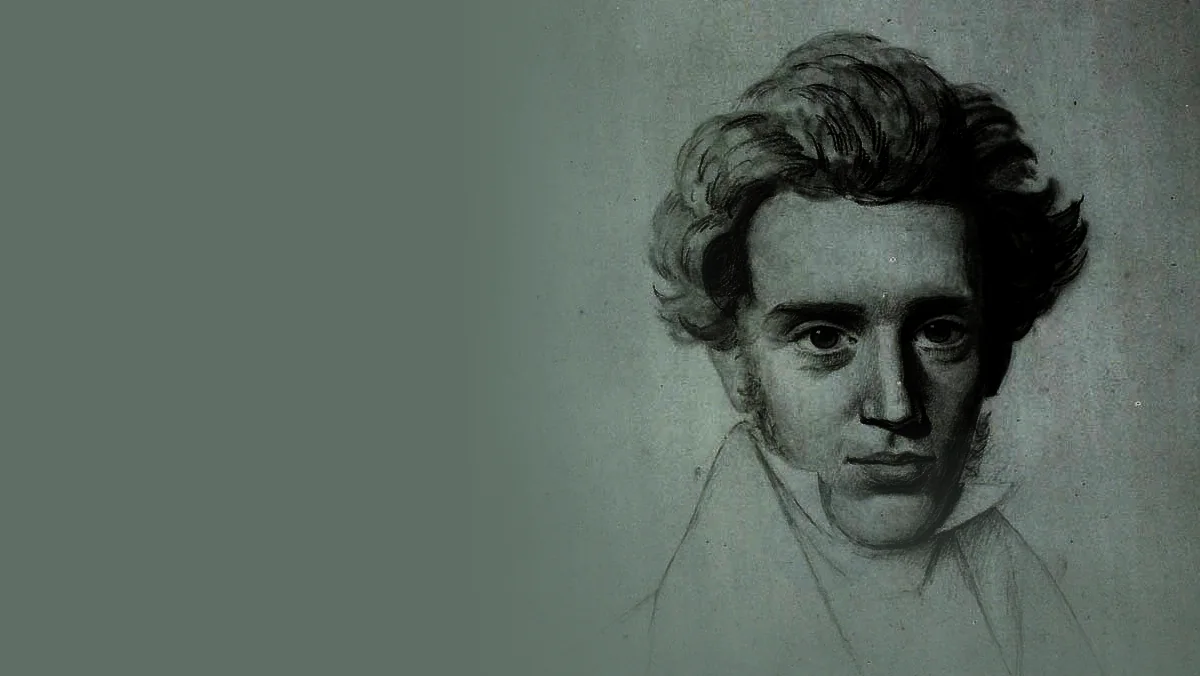
Kierkegaard
Kierkegaard sought to become himself before God — how did you understand becoming yourself without God?
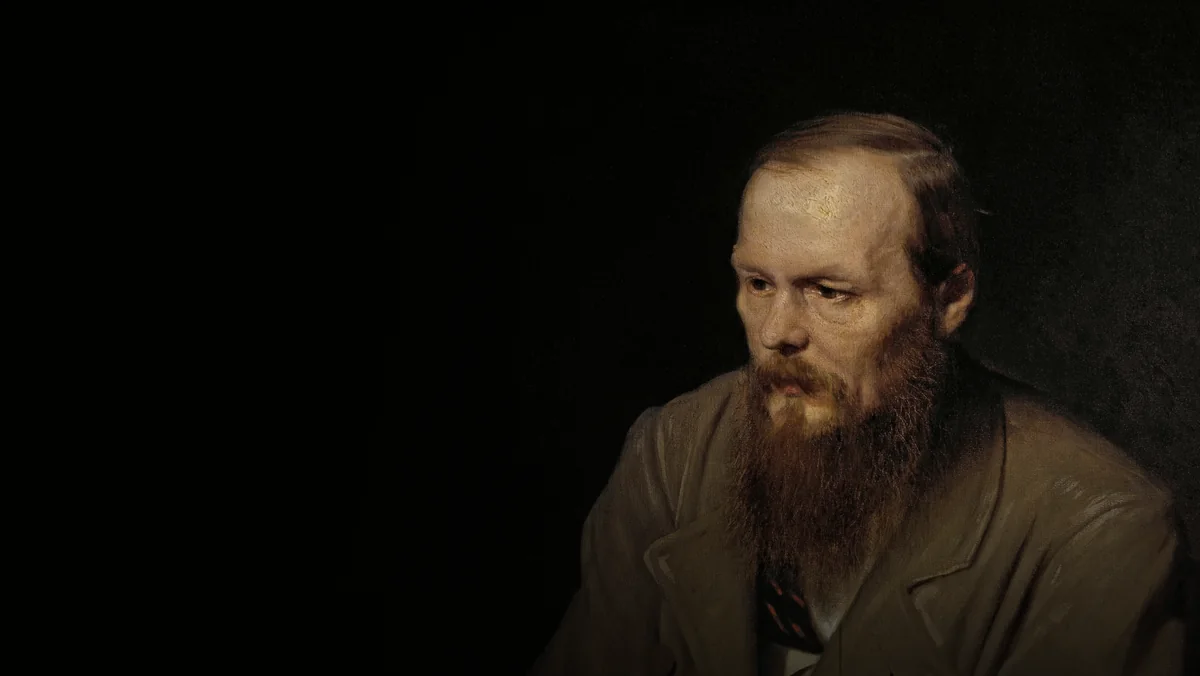
Dostoevsky
You admired Dostoevsky as a psychologist — could you ever have accepted his path to redemption?

Heraclitus
You saw in Heraclitus a philosopher of becoming and play — was that his vision, or yours?
Prefer to follow your own questions? Ask Nietzsche →